
Key Takeaways
Utilize emotional triggers in your marketing to connect with customers on a deeper level.
Recognize and mitigate decision fatigue by simplifying choices for your customers.
Frame offers in a way that highlights what customers stand to lose if they don’t act.
Leverage social proof to build trust and credibility with potential buyers.
Personalize your sales approach to make each customer feel valued and understood.

Leveraging Brain Science for Sales Success
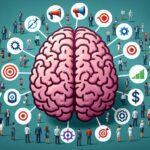
In today’s competitive market, understanding how the human brain works can be a game-changer for entrepreneurs. Neuroscience offers invaluable insights into consumer behavior, providing strategies to boost sales effectively. By leveraging these insights, you can tailor your sales approach to align with how your customers think and make decisions.
Think of it this way: the brain is like a complex computer. It processes information, reacts to stimuli, and makes decisions based on past experiences and emotions. As an entrepreneur, tapping into this process can help you craft messages that resonate with your audience, ultimately driving sales and growing your business.

Neuroscience Principles to Influence Buyer Behavior
Understanding the science behind how customers make purchasing decisions is crucial for any entrepreneur looking to boost sales. By applying neuroscience principles, you can influence buyer behavior in subtle yet powerful ways.
One of the key principles is the power of emotional triggers. Emotions play a significant role in decision-making, often overriding logic. For instance, a compelling story that evokes emotion can make your product more memorable, leading to increased sales. Most importantly, it’s about connecting with your audience on a human level.
The Power of Emotional Triggers
Emotions drive decisions. This is a fundamental concept in neuroscience. When you engage a customer’s emotions, you create a connection that can significantly impact their buying choices. This is why brands like Coca-Cola focus on happiness in their advertisements. They aren’t just selling a drink; they’re selling a feeling. Learn more about using emotional triggers in marketing to boost your sales.
To harness this power, identify the emotions you want to evoke in your customers. Is it excitement, trust, or perhaps nostalgia? Once you’ve pinpointed these emotions, craft your messaging to reflect them. Use visuals, stories, and language that resonate emotionally with your audience.
Understanding Decision Fatigue
Decision fatigue is a real phenomenon where the brain becomes overwhelmed after making too many decisions. This can lead to customers feeling exhausted and less likely to make a purchase. As an entrepreneur, it’s your job to simplify the decision-making process for your customers.
Consider offering fewer choices or curating options that align with your customers’ preferences. Streamline the buying process by reducing unnecessary steps and providing clear, concise information. By doing so, you help your customers make decisions with ease, increasing the likelihood of a sale.
Framing and Loss Aversion
Framing refers to how information is presented to influence decision-making. People are more motivated by the fear of loss than the prospect of gain, a concept known as loss aversion. For example, telling a customer they will “lose out on a 20% discount if they don’t buy today” can be more compelling than simply stating the discount is available.
Use this principle to your advantage by framing offers in a way that highlights potential losses. Emphasize what customers stand to lose if they don’t act, rather than just what they stand to gain. This subtle shift in messaging can make a significant difference in your sales outcomes.
The Role of Social Proof
Humans are inherently social creatures, and we often look to others when making decisions. This is where social proof comes into play. By showcasing testimonials, reviews, and case studies, you can build trust and credibility with potential buyers. For more insights on leveraging psychology in marketing, check out psychological tricks for marketing campaigns.
Consider featuring customer success stories or displaying user-generated content that highlights positive experiences with your product. This not only reassures potential customers but also creates a sense of community around your brand. Remember, people are more likely to trust a product if they see others doing the same.
Creating Engaging Visual Content
Visual content is a powerful tool for capturing attention and conveying your message quickly. The brain processes images much faster than text, which means that engaging visuals can make a significant impact on your sales strategy. To create compelling visual content, focus on high-quality images that align with your brand’s message and values.
Use visuals that evoke emotions and tell a story. For instance, if you’re selling outdoor gear, images of happy families camping in picturesque locations can evoke feelings of adventure and togetherness. Additionally, consider incorporating infographics to present data in an easily digestible format. This not only enhances understanding but also keeps your audience engaged.

Using Storytelling Techniques
Storytelling is a time-tested technique that taps into the emotional side of the brain. By crafting a narrative around your product or service, you can create a memorable experience for your customers. Stories help humanize your brand, making it more relatable and trustworthy. Learn more about neuro copywriting and persuasive storytelling to enhance your marketing strategies.
Start by identifying the core message you want to convey and build a story around it. Introduce characters, set a scene, and present a challenge that your product helps solve. Ensure your story is authentic and aligns with your brand values. Remember, a good story not only entertains but also resonates with your audience, encouraging them to take action.
Personalizing the Customer Experience
In today’s market, personalization is key to standing out. Customers expect tailored experiences that cater to their specific needs and preferences. By leveraging data and insights, you can create personalized marketing campaigns that speak directly to your audience.
Start by segmenting your audience based on demographics, behavior, and preferences. Use this information to tailor your messaging, offers, and content. For example, if a customer frequently purchases eco-friendly products, highlight the sustainable aspects of your offerings in your communications with them. For more insights, check out these neuroscience strategies to turn knowledge into income.
Additionally, consider using personalized email campaigns and product recommendations to enhance the customer experience. Personalization not only increases engagement but also fosters loyalty, leading to repeat business and referrals. For more insights, explore neuroscience techniques in marketing.
“Personalization is not a trend; it’s a marketing tsunami.” – Avi Dan, Forbes. For more insights on how to leverage neuroscience in your marketing strategies, check out these neuroscience strategies.
Optimizing Timing and Urgency
Timing is everything when it comes to sales. Understanding when your audience is most receptive to your message can significantly impact your success. Analyze customer data to identify peak engagement times and schedule your marketing efforts accordingly.
Besides timing, creating a sense of urgency can motivate customers to act quickly. Limited-time offers, countdown timers, and exclusive deals are effective strategies to encourage immediate purchases. However, be genuine in your urgency tactics to maintain trust with your audience. For more insights, check out these neuroscience tips to boost sales.

Case Studies of Neuroscience in Sales
Real-world examples of neuroscience applications in sales can provide valuable insights into effective strategies. These case studies highlight how companies have successfully leveraged neuroscience to enhance their sales efforts. For instance, some businesses have discovered how to outsell their competition with neuro-marketing.
By examining these examples, entrepreneurs can learn practical techniques to apply in their own businesses, driving growth and success.
Electroencephalography (EEG) in Advertising
EEG technology measures electrical activity in the brain, providing insights into consumer responses to advertising stimuli. Companies use EEG to test the effectiveness of their ads, identifying which elements resonate most with viewers.
For example, a study might reveal that viewers show increased brain activity when exposed to certain colors or sounds in an advertisement. Brands can then use this information to optimize their campaigns, ensuring they capture and hold attention.
Identify key elements that trigger positive emotional responses.
Optimize ad content based on EEG findings to maximize engagement.
Test different versions of ads to determine the most effective approach.
By leveraging EEG insights, businesses can create more impactful advertisements that drive sales and enhance brand perception.
Eye-Tracking Technology in Website Design
Eye-tracking technology tracks where and how long users focus on specific areas of a webpage. This data helps designers understand user behavior, allowing them to optimize website layouts for better user experience and higher conversion rates.
For instance, if eye-tracking reveals that users frequently overlook a call-to-action button, designers can reposition it for greater visibility. This ensures that critical elements of a webpage are noticed and engaged with by visitors.
Identify areas of a webpage that capture the most attention.
Reposition important elements based on eye-tracking data.
Enhance user experience by streamlining navigation paths.
By utilizing eye-tracking technology, businesses can create user-friendly websites that guide visitors toward desired actions, ultimately boosting sales.
Real-World Success Stories
Real-world success stories demonstrate the tangible benefits of applying neuroscience principles to sales. These stories serve as inspiration and provide practical insights for entrepreneurs looking to enhance their strategies.
For example, a retail company might use neuroscience to redesign their store layout, resulting in increased foot traffic and sales. By understanding how customers navigate and interact with the space, the company can create an environment that encourages browsing and purchasing.
These success stories highlight the potential of neuroscience to transform sales strategies and drive business growth. Learn more about neuroscience strategies to turn knowledge into income.

Measurement and Improvement
Continuous measurement and improvement are essential for optimizing sales strategies. By analyzing data and customer feedback, businesses can refine their approaches and achieve better results.
Utilize analytics tools to track performance metrics and identify areas for improvement. Regularly assess customer feedback to understand their needs and preferences. Use this information to make data-driven decisions that enhance your sales efforts. For more insights, check out these neuro-marketing tips.
Using Brain Imaging Analytics
Brain imaging analytics, such as fMRI and EEG, provide insights into how consumers respond to different marketing stimuli. By analyzing brain activity, businesses can determine which elements of their campaigns are most effective in capturing attention and evoking emotional responses. This data-driven approach allows for more precise targeting and optimization of marketing efforts.
Assessing Customer Feedback
Customer feedback is a valuable resource for understanding consumer preferences and improving sales strategies. By actively seeking and analyzing feedback, businesses can identify areas of strength and opportunities for growth. Surveys, reviews, and direct customer interactions provide insights into the customer experience, guiding future decisions.
Consider implementing feedback loops to ensure continuous improvement. Regularly review customer feedback to identify trends and patterns, and use this information to refine your sales approach. This proactive approach not only enhances customer satisfaction but also drives long-term success.
“Your most unhappy customers are your greatest source of learning.” – Bill Gates. For more insights on customer behavior, check out neuroscience and marketing.
By embracing customer feedback, businesses can create a customer-centric culture that fosters loyalty and drives sales. For more insights, check out these neuro-marketing tips.
Refining Strategies Based on Data
Data-driven decision-making is crucial for refining sales strategies and maximizing effectiveness. By leveraging analytics tools, businesses can track key performance indicators (KPIs) and assess the impact of their efforts. This data provides a clear picture of what works and what doesn’t, allowing for informed adjustments. For more insights, check out these neuroscience techniques to enhance your marketing strategies.

Conclusion: Maximizing Sales through Neuroscience
Case Study: A retail chain used eye-tracking technology to redesign their store layout. By identifying high-traffic areas and optimizing product placement, they increased sales by 20% within three months.
Neuroscience offers a wealth of opportunities for entrepreneurs to enhance their sales strategies. By understanding the brain’s role in decision-making, businesses can create more effective marketing campaigns, optimize customer experiences, and drive sales growth.
Implementing neuroscience principles requires a commitment to continuous learning and adaptation. As consumer behavior evolves, so too must sales strategies. By staying informed and leveraging data-driven insights, businesses can remain competitive and achieve lasting success.
Final Thoughts on Neuroscience in Sales
Embracing neuroscience in sales is not just about increasing revenue; it’s about building meaningful connections with customers. By understanding how the brain processes information and emotions, businesses can create authentic, impactful experiences that resonate with their audience.
Key Findings and Recommendations
To maximize sales through neuroscience, entrepreneurs should focus on the following key areas: applying neuroscience to sales.
Utilize emotional triggers to create memorable, engaging marketing campaigns.
Simplify decision-making processes to reduce customer fatigue and increase conversions.
Leverage social proof to build trust and credibility with potential buyers.
Personalize customer experiences to meet individual needs and preferences.
Continuously measure and refine strategies based on data-driven insights.
Frequently Asked Questions (FAQ)
Understanding the application of neuroscience in sales can raise several questions. Here are answers to some of the most common inquiries:
What is the most crucial neuroscience principle for sales?
The most crucial principle is understanding the role of emotions in decision-making. Emotions significantly influence consumer behavior, and leveraging them effectively can enhance sales strategies.
How can I ethically use neuroscience in my sales strategy?
Ethical use of neuroscience involves respecting customer autonomy and avoiding manipulation. Focus on creating value and building genuine relationships with your audience. Transparency and honesty are key to maintaining trust and credibility.








Leave a Reply