Understanding the buyer’s brain helps tailor marketing strategies to their decision-making process.
Emotional connections are crucial in influencing purchase decisions.
Cognitive biases can be leveraged to guide consumer behavior.
Neuroscience techniques like social proof and scarcity can effectively expand your customer base.
Personalized and sensory marketing strategies enhance customer engagement and loyalty.
How to Easily Expand Your Customer Base Using Neuroscience
The Importance of Neuroscience in Business
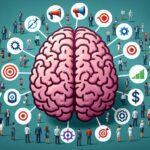
Neuroscience has revolutionized the way we understand consumer behavior. By studying how the brain processes information, businesses can create marketing strategies that resonate deeply with their audience. This isn’t just about making sales; it’s about forging lasting connections with customers.
Most importantly, neuroscience allows us to tap into the subconscious mind, where many purchasing decisions are made. When we understand the triggers that lead to a sale, we can craft messages that hit the mark every time.
Understanding the Buyer’s Brain
The Basics of Neuroscience and Decision Making
At the core of neuroscience in marketing is the understanding of how the brain makes decisions. The brain can be divided into three main parts: the old brain, the middle brain, and the new brain. The old brain is responsible for survival instincts and basic functions. The middle brain handles emotions, and the new brain is involved in rational thinking and logic.
To influence purchasing decisions, you need to appeal to all three parts of the brain. However, the old brain, being the most primitive, often has the final say. It’s driven by emotions and survival instincts, which means your marketing efforts should aim to evoke strong emotional responses.
The Role of Emotions in Purchases
Emotions play a significant role in decision making. Studies have shown that people often make decisions based on feelings and then justify them with logic. Therefore, creating an emotional connection with your audience is key to driving sales.
For example, consider a charity ad that shows images of suffering children. This evokes empathy and compassion, prompting viewers to donate. The same principle applies to product marketing. If you can make your audience feel something, they are more likely to take action.
Cognitive Biases Influencing Consumer Behavior
Cognitive biases are mental shortcuts that the brain uses to make decisions quickly. These biases can be leveraged in marketing to influence consumer behavior. Here are a few key biases to consider:
Anchoring: People rely heavily on the first piece of information they receive. For example, if you show a high initial price and then offer a discount, the lower price seems more attractive.
Social Proof: People tend to follow the actions of others. Showing testimonials, reviews, and user-generated content can build trust and encourage purchases.
Scarcity: Limited availability creates a sense of urgency. Highlighting limited stock or time-limited offers can prompt immediate action.
Core Neuroscience Techniques to Expand Your Customer Base
Utilizing Social Proof and Scarcity
Social proof and scarcity are powerful tools in your marketing arsenal. Social proof leverages the idea that people look to others to determine their own actions. When potential customers see that others are using and enjoying your product, they are more likely to follow suit. You can learn more about consumer psychology in marketing to effectively implement these techniques.
Scarcity, on the other hand, taps into the fear of missing out (FOMO). When something is in limited supply, it becomes more desirable. Highlighting the limited availability of a product can create urgency and prompt quicker purchasing decisions.
Appealing to the “Old Brain”
The old brain is all about survival. It’s constantly scanning the environment for threats and opportunities. To appeal to the old brain, your marketing messages need to be clear, concise, and focused on benefits that matter to your audience.
For instance, instead of just listing features, explain how those features will improve the customer’s life. Use simple, direct language and visuals that grab attention and convey the core message quickly.
Creating Effective Marketing Messages
Effective marketing messages are those that resonate with your audience on an emotional level. To craft such messages, start by understanding the needs and desires of your target market. What problems are they trying to solve? What are their pain points?
Once you have this understanding, tailor your messages to address these issues directly. Use storytelling to make your message more engaging. Stories are a powerful way to connect with your audience emotionally and make your message more memorable.
Personalization and Targeting
Personalization is key to capturing the attention of potential customers. When marketing messages are tailored to individual preferences and behaviors, they resonate more deeply. This can be achieved through data analysis and customer segmentation. By understanding the specific needs and desires of different customer groups, you can create targeted campaigns that speak directly to them.
For example, if you run an online clothing store, you can use data to identify customers who frequently purchase athletic wear. You can then send personalized emails showcasing new arrivals in sports apparel, along with special discounts. This approach not only increases engagement but also boosts conversion rates.
Engaging Sensory Marketing
Sensory marketing involves appealing to the five senses to create a memorable and immersive experience for customers. This can be particularly effective in physical retail environments but can also be applied online. For instance, using high-quality images and videos can engage the visual sense, while incorporating sound effects or music can enhance the auditory experience. Learn more about consumer psychology in marketing to further enhance your strategies.
Consider the example of a bakery that uses the smell of freshly baked bread to attract customers. Online, you can create a similar effect by using descriptive language and high-resolution images that evoke the sensory experience of your products.
Optimizing Visual Elements and Design
The visual design of your marketing materials plays a crucial role in capturing attention and conveying your message. This includes everything from your website layout to your social media posts. Effective design should be visually appealing, easy to navigate, and aligned with your brand identity.
Use high-contrast colors to make important elements stand out.
Ensure your website is mobile-friendly and loads quickly.
Incorporate visual cues like arrows or highlighted buttons to guide users.
By focusing on these aspects, you can create a more engaging and user-friendly experience that encourages customers to take action.
Real-World Examples of Neuroscience in Marketing
To understand how neuroscience can be applied in marketing, let’s look at some real-world examples. These case studies demonstrate the effectiveness of emotional branding, urgency, and sensory marketing in driving customer engagement and sales.
Case Study: Emotional Branding Success
Company: Coca-Cola
Strategy: Emotional branding through storytelling and nostalgia.
Outcome: Increased brand loyalty and customer engagement.
“Coca-Cola’s ‘Share a Coke’ Campaign Dramatically Boosted Brand Loyalty …” from www.brandvertising.ch
Coca-Cola has long been a master of emotional branding. Their “Share a Coke” campaign, which featured personalized bottles with people’s names, created a strong emotional connection with customers. By tapping into the joy of sharing and personal recognition, Coca-Cola was able to boost sales and enhance brand loyalty.
Example: Effective Use of Urgency
Amazon is a prime example of how to effectively use urgency in marketing. During their Prime Day sales, they highlight limited-time offers and countdown timers to create a sense of urgency. This prompts customers to make quick purchasing decisions to avoid missing out on deals.
Outcome: Enhanced customer experience and increased sales.
“The In-Store Experience Has Helped Starbucks Build A Devoted Audience …” from www.eatthis.com
Starbucks uses sensory marketing to create a welcoming and immersive experience in their stores. The aroma of freshly brewed coffee, the cozy seating, and the soothing background music all contribute to a memorable experience that encourages customers to linger and make repeat visits.
Measuring the Impact of Neuroscience-Based Strategies
Implementing neuroscience-based strategies is only half the battle; measuring their effectiveness is equally important. By using analytics and customer feedback, you can assess the impact of your efforts and make necessary adjustments.
Using Analytics and Customer Feedback
Analytics tools like Google Analytics, social media insights, and customer surveys provide valuable data on how your strategies are performing. Track metrics such as website traffic, conversion rates, and customer engagement to gauge the success of your campaigns.
Besides that, customer feedback can offer direct insights into what’s working and what isn’t. Encourage customers to share their experiences and suggestions through reviews, surveys, and social media interactions.
“The goal is to turn data into information, and information into insight.” – Carly Fiorina
Key Performance Indicators to Track
To effectively measure the impact of your neuroscience-based strategies, focus on key performance indicators (KPIs) that align with your business goals. Some important KPIs to track include:
Conversion Rate: The percentage of visitors who take a desired action, such as making a purchase or signing up for a newsletter.
Customer Retention Rate: The percentage of customers who continue to do business with you over a specific period.
Customer Lifetime Value (CLV): The total revenue a business can expect from a single customer over the course of their relationship.
Net Promoter Score (NPS): A measure of customer satisfaction and loyalty, based on the likelihood of customers recommending your business to others.
Adjusting Strategies Based on Data
Once you have collected and analyzed the data, use the insights to refine your strategies. If a particular approach isn’t yielding the desired results, don’t be afraid to pivot and try something new. Continuous optimization is key to staying ahead of the competition and maximizing customer acquisition opportunities.
For example, if you find that your email open rates are low, experiment with different subject lines, send times, and content formats to see what resonates best with your audience. By being responsive to data and feedback, you can continually improve your marketing efforts and achieve better outcomes.
Key Performance Indicators to Track
To effectively measure the impact of your neuroscience-based strategies, focus on key performance indicators (KPIs) that align with your business goals. Some important KPIs to track include:
Conversion Rate: The percentage of visitors who take a desired action, such as making a purchase or signing up for a newsletter.
Customer Retention Rate: The percentage of customers who continue to do business with you over a specific period.
Customer Lifetime Value (CLV): The total revenue a business can expect from a single customer over the course of their relationship.
Net Promoter Score (NPS): A measure of customer satisfaction and loyalty, based on the likelihood of customers recommending your business to others.
Adjusting Strategies Based on Data
Once you have collected and analyzed the data, use the insights to refine your strategies. If a particular approach isn’t yielding the desired results, don’t be afraid to pivot and try something new. Continuous optimization is key to staying ahead of the competition and maximizing customer acquisition opportunities.
For example, if you find that your email open rates are low, experiment with different subject lines, send times, and content formats to see what resonates best with your audience. By being responsive to data and feedback, you can continually improve your marketing efforts and achieve better outcomes. For additional insights, you might want to explore consumer psychology in marketing strategies.
Conclusion: Leveraging Neuroscience for Lasting Customer Growth
Neuroscience offers powerful tools and insights that can help you expand your customer base and foster long-term growth. By understanding the buyer’s brain, leveraging emotional connections, and utilizing cognitive biases, you can create marketing strategies that resonate deeply with your audience.
Key Takeaways and Recommendations
Use emotional branding to create strong connections with your audience.
Leverage social proof and scarcity to influence purchasing decisions.
Personalize your marketing messages to target specific customer segments.
Engage the senses through visual and sensory marketing techniques.
Continuously measure and optimize your strategies based on data and feedback.
Next Steps for Implementation
To start leveraging neuroscience in your marketing efforts, follow these steps:
Conduct research to understand the needs and desires of your target audience.
Develop emotional branding strategies that resonate with your customers.
Incorporate social proof and scarcity into your marketing messages.
Use personalization and sensory marketing to enhance customer engagement.
Monitor key performance indicators and adjust your strategies based on data.
Frequently Asked Questions (FAQ)
What is the most effective neuroscience technique for marketing?
The most effective technique varies depending on your target audience and goals. However, emotional branding and leveraging cognitive biases like social proof and scarcity are generally very effective.
How quickly can I expect to see results from these strategies?
Results can vary, but many businesses start to see improvements in customer engagement and sales within a few months of implementing neuroscience-based strategies.
Are there any ethical concerns with using neuroscience in marketing?
Yes, it’s important to use these techniques responsibly and transparently. Avoid manipulating customers or using deceptive practices. Focus on creating genuine value and building trust with your audience.
How can small businesses apply neuroscience techniques on a budget?
Small businesses can start by focusing on low-cost strategies like personalization, emotional branding, and leveraging social proof. Using free or affordable analytics tools can also help measure and optimize efforts without a large investment.
James is one of America’s leading behavioral management specialists and author of the award-winning book, BRAIN GLUE – How Selling Becomes Much Easier By Making Your Ideas “Sticky.” BRAIN GLUE was a finalist as THE BEST BUSINESS BOOK of the YEAR by Publishers Weekly – because it’s blowing the minds of so many people.













Leave a Reply