
In the rapidly evolving world of marketing, staying ahead of the curve requires understanding the latest advancements and innovations. Neuro-marketing, a blend of neuroscience and marketing, is transforming how businesses connect with consumers by tapping into the brain’s responses to stimuli. Let’s dive into the exciting developments in this field.
Key Takeaways
- Recent neuro-marketing technologies like EEG and fMRI provide real-time insights into consumer behavior.
- Understanding emotional cues can significantly enhance marketing strategies and consumer engagement.
- Personalized marketing strategies, driven by neuro-marketing data, improve customer satisfaction and loyalty.
- Artificial Intelligence and digital integration are key trends shaping the future of neuro-marketing.
- Ethical considerations are becoming increasingly important in the application of neuro-marketing techniques.
Latest Breakthroughs in Neuro-Marketing
The world of neuro-marketing is buzzing with new technologies and methodologies that allow marketers to peer directly into the minds of consumers. By understanding how the brain reacts to different marketing stimuli, companies can tailor their strategies to better meet the needs and desires of their audience.
Recent Technological Developments
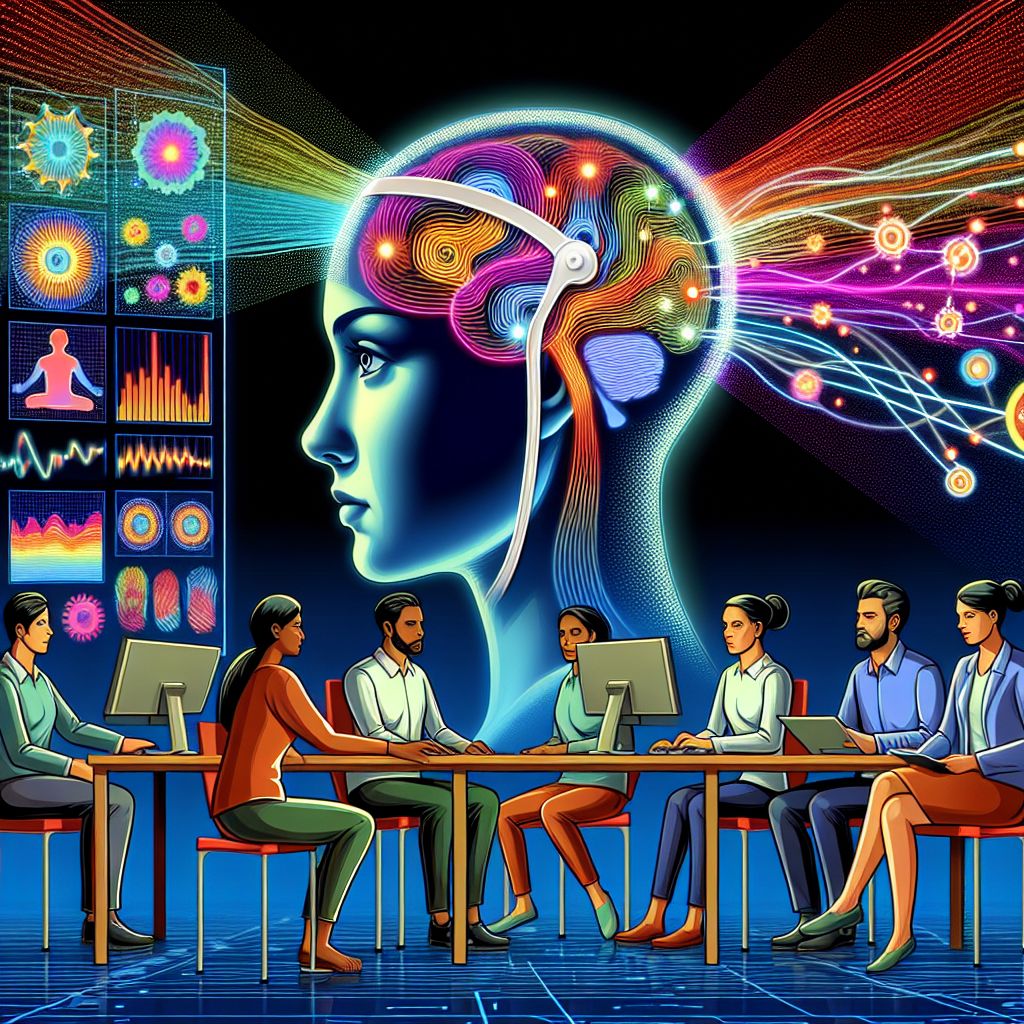
Technological advancements have been a game-changer for neuro-marketing. Tools like Electroencephalography (EEG) and functional Magnetic Resonance Imaging (fMRI) have made it possible to observe brain activity in real-time. This means marketers can see how different parts of the brain respond to various stimuli, offering unprecedented insights into consumer behavior.
- EEG: Measures electrical activity in the brain, providing insights into attention and emotional responses.
- fMRI: Detects changes in blood flow, indicating which areas of the brain are activated during specific tasks.
- Eye-tracking: Follows eye movements to determine what captures a viewer’s attention.
These technologies help marketers understand not just what consumers say they like, but what they truly feel and react to, often without conscious awareness.
Improved Consumer Insight Techniques
As we delve deeper into the intricacies of consumer behavior, the techniques used to gather insights have evolved significantly. Traditional surveys and focus groups often fall short because they rely on self-reported data, which can be biased or inaccurate. Neuro-marketing, however, bypasses these limitations by directly measuring physiological responses.
For instance, by analyzing facial expressions, marketers can gauge emotional reactions with remarkable accuracy. Similarly, biometric data such as heart rate and skin conductance can indicate levels of engagement and excitement. These insights allow marketers to fine-tune their campaigns to resonate more effectively with their target audience.
Advancements in Brain-Scan Technologies
The refinement of brain-scan technologies has been pivotal in advancing neuro-marketing. Techniques like fMRI and EEG are becoming more accessible and less invasive, making it easier for companies to implement them in their research. The real-time data provided by these scans offers a window into the subconscious mind, revealing how consumers truly feel about a product or advertisement.
Consider a case where a company used fMRI to test different versions of a commercial. The scans showed that a particular version activated the brain’s reward center more than the others, indicating a higher likelihood of consumer approval. This kind of data-driven decision-making is revolutionizing the way marketing strategies are developed.
Besides that, these technologies are not just limited to large corporations. Smaller businesses can also leverage them through third-party services, democratizing access to these powerful tools.
Use of Artificial Intelligence
Artificial Intelligence (AI) is revolutionizing the field of neuro-marketing by enabling more precise analysis of complex data sets. AI algorithms can process vast amounts of neuro-marketing data, identifying patterns and trends that would be impossible for humans to discern manually. This capability allows marketers to predict consumer behavior with greater accuracy and tailor their strategies accordingly.
For example, AI can analyze EEG data to determine which advertisements are most likely to capture attention and elicit a positive emotional response. By automating these analyses, businesses can quickly adapt their marketing campaigns to maximize impact. AI’s ability to learn and improve over time means that its predictions become increasingly accurate, providing a competitive edge in the fast-paced marketing world.
Integration with Digital Platforms
Neuro-marketing is increasingly being integrated with digital platforms to enhance user experience and engagement. By analyzing data from social media interactions, online browsing behavior, and digital ad responses, marketers can gain a deeper understanding of consumer preferences and tailor their online presence accordingly.
“The integration of neuro-marketing with digital platforms allows for a more personalized and engaging user experience, leading to higher conversion rates and customer satisfaction.”
For instance, a company might use eye-tracking technology to determine which parts of a webpage attract the most attention. This information can then be used to optimize the layout and design of the site, ensuring that key messages and calls to action are prominently displayed. The result is a more intuitive and user-friendly online experience that resonates with consumers.
Growing Importance of Ethical Considerations
As neuro-marketing techniques become more sophisticated, ethical considerations are gaining prominence. The ability to access and analyze subconscious consumer data raises important questions about privacy and consent. Marketers must navigate these challenges carefully to maintain consumer trust and adhere to legal regulations.
It’s crucial for companies to be transparent about how they collect and use neuro-marketing data. Implementing clear consent protocols and ensuring that data is anonymized can help address privacy concerns. Additionally, marketers should consider the ethical implications of using neuro-marketing insights to influence consumer behavior, striving to create campaigns that are not only effective but also respectful of individual autonomy. For more on this topic, explore easy ways to boost your business income with neuroscience.
Innovative Applications in Various Industries
Neuro-marketing is not confined to a single sector; its applications span across numerous industries, each benefiting from the unique insights it provides into consumer behavior. Let’s explore some of these innovative applications.
Retail and Consumer Goods
In the retail sector, neuro-marketing is used to optimize store layouts and product displays. By understanding how consumers navigate a store and what catches their attention, retailers can design environments that encourage purchases and enhance the shopping experience.
Banking and Financial Services
In banking, neuro-marketing helps institutions understand how consumers process financial information and make decisions. By tailoring communication strategies to align with consumer emotions and cognitive processes, banks can improve customer engagement and satisfaction. For more insights on how neuromarketing is shaping industries, explore the future of advertising with neuromarketing.
Entertainment and Media
The entertainment industry uses neuro-marketing to gauge audience reactions to content. By analyzing brain responses to movies, TV shows, and advertisements, producers can fine-tune their offerings to maximize viewer engagement and enjoyment.
Moreover, media companies can use neuro-marketing insights to develop targeted advertising strategies that resonate with specific audience segments, leading to higher conversion rates and increased revenue.
Challenges and Considerations
While neuro-marketing offers numerous benefits, it also presents several challenges that marketers must address to harness its full potential.
Data Privacy Issues
One of the most significant challenges in neuro-marketing is ensuring data privacy. With the ability to access sensitive information about consumer thoughts and emotions, marketers must implement robust data protection measures to prevent misuse and maintain consumer trust.
Interpreting Complex Data Accurately
Neuro-marketing data is often complex and requires careful interpretation to derive meaningful insights. Marketers must be equipped with the skills and tools necessary to analyze this data accurately, avoiding misinterpretations that could lead to ineffective or misleading campaigns.
Furthermore, the integration of neuro-marketing with other data sources, such as demographic and psychographic information, can provide a more comprehensive understanding of consumer behavior. However, this requires sophisticated analytical techniques and expertise.
“Effective neuro-marketing requires a balance between technological innovation and human intuition, ensuring that data-driven insights are applied in a way that resonates with consumers on a personal level.”
By addressing these challenges, marketers can leverage neuro-marketing to create campaigns that are not only innovative but also ethical and effective.
Balancing Technology and Human Element
In the realm of neuro-marketing, balancing the use of advanced technology with the human element is crucial. While data-driven insights can inform strategies, they should not replace the creativity and intuition that come from human marketers. The most successful campaigns are those that blend the precision of technology with the empathetic understanding of human needs and desires. For insights on how to create impactful strategies, explore neuroscience training for marketing professionals.
Future Outlook for Neuro-Marketing
“The future of neuro-marketing lies in the seamless integration of cutting-edge technology with consumer-centric strategies that respect and enhance the customer experience.”
As we look ahead, the potential for neuro-marketing to transform industries is immense. The field is poised for significant growth as more companies recognize the value of understanding consumer behavior at a neurological level.
Advancements in technology will continue to drive this growth, with innovations such as wearable neuro-devices and mobile neuro-marketing applications making these insights more accessible than ever before.
Moreover, the convergence of neuro-marketing with other emerging technologies like virtual reality and augmented reality promises to create even more immersive and personalized marketing experiences.
Potential for Market Growth
The neuro-marketing market is expected to expand rapidly, driven by the increasing demand for personalized marketing solutions. As businesses seek to differentiate themselves in a competitive landscape, the ability to understand and predict consumer behavior will be a key differentiator.
Predictive Analytics and Forecasting
Predictive analytics will play a crucial role in the future of neuro-marketing. By analyzing patterns in consumer data, marketers can forecast trends and behaviors, allowing them to proactively adapt their strategies.
- Use predictive models to anticipate consumer preferences and tailor marketing messages accordingly.
- Leverage machine learning algorithms to refine targeting and segmentation efforts.
- Continuously monitor and adjust campaigns based on real-time data insights.
These capabilities will enable businesses to stay ahead of the curve, delivering marketing experiences that are not only effective but also deeply resonant with consumers. For those interested in further insights, check out these neuro-marketing advantages that can enhance your strategy.
Besides that, the integration of predictive analytics with neuro-marketing data will enhance the accuracy and relevance of these forecasts, providing marketers with a powerful toolset to drive growth and innovation.
Role of Emerging Technologies
Emerging technologies will continue to shape the landscape of neuro-marketing, offering new opportunities for engagement and interaction. Technologies such as artificial intelligence, blockchain, and the Internet of Things (IoT) will provide marketers with unprecedented insights and capabilities.
For example, AI can be used to analyze neuro-marketing data in real-time, identifying patterns and trends that inform strategic decisions. Blockchain technology can ensure data integrity and security, addressing privacy concerns and building consumer trust.
Moreover, IoT devices can capture valuable data on consumer behavior and preferences, enabling marketers to create highly personalized and contextually relevant campaigns.
Frequently Asked Questions
As neuro-marketing continues to evolve, it’s natural to have questions about its implications and applications. Here are some common inquiries and their answers.
How does neuro-marketing differ from traditional marketing?
Neuro-marketing differs from traditional marketing by focusing on the subconscious drivers of consumer behavior. While traditional marketing relies on self-reported data and observable actions, neuro-marketing uses technologies like EEG and fMRI to measure brain activity and physiological responses, providing a deeper understanding of how consumers think and feel.
This approach allows marketers to create more effective campaigns by aligning their strategies with the underlying psychological and emotional factors that influence purchasing decisions. For more insights on these strategies, explore how neuromarketing is shaping the future of advertising.
What ethical concerns are associated with neuro-marketing?
Ethical concerns in neuro-marketing primarily revolve around privacy and consent. As these techniques involve collecting sensitive data about consumer thoughts and emotions, it’s essential for marketers to obtain informed consent and ensure that data is used responsibly.
Transparency and accountability are key to addressing these concerns, and companies must adhere to ethical guidelines and legal regulations to maintain consumer trust and protect individual rights. For businesses looking to enhance their strategies, understanding the neuro-marketing advantage can be beneficial in aligning with these principles.
Which technologies are most prominent in neuro-marketing today?
Prominent technologies in neuro-marketing include EEG, fMRI, eye-tracking, and facial coding. These tools allow marketers to measure brain activity, physiological responses, and emotional reactions, providing valuable insights into consumer behavior.
Additionally, advancements in AI and machine learning are enhancing the capabilities of these technologies, enabling more precise and actionable insights. For further understanding of how these innovations are shaping the industry, you can explore how neuromarketing is shaping the future of advertising.
How can businesses ensure data privacy in neuro-marketing?
To ensure data privacy in neuro-marketing, businesses should implement robust data protection measures, including encryption, anonymization, and secure storage protocols. It’s also important to establish clear consent procedures and provide consumers with transparency about how their data will be used.
By prioritizing privacy and security, companies can build consumer trust and leverage neuro-marketing insights ethically and responsibly.
In conclusion, the future of neuro-marketing is bright, with endless possibilities for innovation and growth. By embracing these advancements and addressing the associated challenges, marketers can create impactful and meaningful connections with their audiences, driving success in an ever-changing landscape.








Leave a Reply