
Key Takeaways
- Neuroscience reveals that visual content is processed 60,000 times faster than text, making visuals a critical component of effective marketing.
- Emotional engagement can increase customer loyalty by up to 300%, highlighting the importance of connecting with your audience on an emotional level.
- Understanding cognitive biases, such as the anchoring effect, can help marketers influence decision-making and improve conversion rates.
- Scarcity and urgency are powerful motivators; using them in marketing can boost sales by creating a fear of missing out.
- Consistency in messaging and branding builds trust, which is essential for maintaining long-term customer relationships.
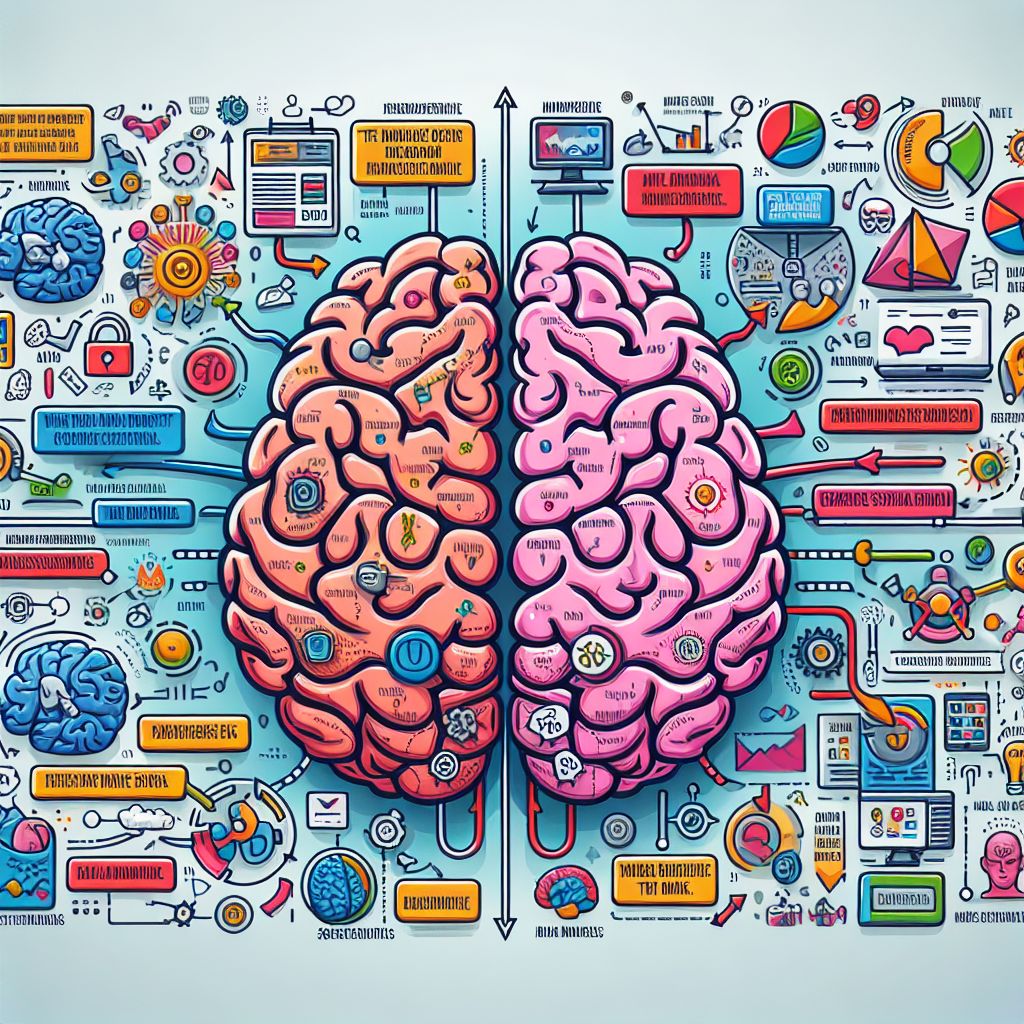
The Neuroscience Behind Effective Marketing
Understanding how the brain works can significantly enhance your marketing strategies. Neuroscience provides insights into how people perceive, process, and react to information. By leveraging these insights, marketers can craft messages that resonate more deeply with their audience, ultimately boosting sales and customer loyalty.
Visual Processing Dominance
Our brains are wired to process visual information much faster than text. In fact, visuals are processed 60,000 times faster. This means that incorporating images, videos, and infographics into your marketing strategy is not just beneficial—it’s essential. Consider a brand like Instagram, which thrives on visual content. Their success is a testament to the power of visual processing dominance.
To capitalize on this, ensure your marketing materials are visually appealing and easy to digest. Use high-quality images and graphics that capture attention and convey your message quickly. Remember, the first impression is often the last impression, so make it count.
Emotional Engagement
Emotions play a pivotal role in decision-making. When people feel emotionally connected to a brand, they are more likely to become loyal customers. Research shows that emotional engagement can increase customer loyalty by up to 300%. Therefore, it’s crucial to craft marketing messages that evoke emotions. To learn more about creating impactful brands, explore how to create more powerful brands using psychology.
Take Coca-Cola’s “Share a Coke” campaign as an example. By personalizing bottles with names, Coca-Cola tapped into the emotional drive of sharing and connection. This not only boosted sales but also strengthened brand loyalty.
Decision-Making Triggers
Every day, we make countless decisions, often without realizing the cognitive processes behind them. Marketers can influence these decisions by understanding and leveraging cognitive biases. For instance, the anchoring effect—a cognitive bias where people rely heavily on the first piece of information they receive—can be used to set price expectations. By displaying a higher original price next to a discounted price, customers perceive the deal as more valuable.
Moreover, using social proof, such as testimonials or reviews, can trigger a herd mentality, encouraging potential customers to follow the crowd. People tend to trust the opinions of others, especially when they are uncertain about a decision. To delve deeper into this concept, explore how psychology can create more powerful brands.
Applying Neuroscience in Marketing Strategies
Now that we understand the neuroscience principles that can enhance marketing, it’s time to apply them strategically. From crafting compelling visuals to leveraging cognitive biases, these strategies can transform your marketing efforts.
Crafting Compelling Visuals
Visuals are not just about aesthetics; they’re about communication. A compelling visual tells a story and elicits emotions. When designing visuals, consider the colors, shapes, and overall composition. Colors can evoke specific emotions—red for excitement, blue for trust, green for calmness. Use these associations to your advantage.
Besides that, ensure your visuals align with your brand’s message and values. Consistency in design across all platforms reinforces brand recognition and trust.
Leveraging Scarcity and Urgency
Scarcity and urgency are psychological triggers that can significantly boost sales. When people perceive that a product is scarce or that an offer is time-limited, they are more likely to make a purchase. This is because scarcity creates a fear of missing out, a powerful motivator in decision-making.
Consider using limited-time offers, countdown timers, or exclusive deals to create a sense of urgency. For instance, e-commerce platforms like Amazon often use phrases like “Only 3 left in stock” or “Deal ends in 2 hours” to encourage immediate action. These tactics can lead to a significant increase in conversion rates.
Building Trust Through Neuroscience
Trust is the foundation of any successful business relationship. Neuroscience can help us understand how trust is built and maintained. Consistency, transparency, and reliability are key factors in establishing trust with your audience.
One way to build trust is by delivering consistent messages across all marketing channels. This means that your branding, tone, and values should be uniform whether a customer interacts with you online, in-store, or through customer service. Consistent messaging reassures customers that they know what to expect from your brand.
Consistency and Brand Reliability
Brand reliability is about delivering on promises. When a brand consistently meets or exceeds customer expectations, it builds a reputation for reliability. This not only encourages repeat business but also fosters word-of-mouth recommendations.
To ensure brand reliability, focus on quality control and customer service. Address customer concerns promptly and use feedback to improve your offerings. By doing so, you reinforce the perception that your brand is dependable and trustworthy.
Using Social Proof
Social proof is a powerful tool in building trust. It leverages the human tendency to look to others when making decisions, especially in uncertain situations. Positive reviews, testimonials, and case studies serve as endorsements from real people, which can greatly influence potential customers. To learn more about enhancing your marketing strategies, consider exploring how to create more powerful brands using psychology.
Encourage satisfied customers to leave reviews and share their experiences. Highlight these testimonials on your website and marketing materials. Additionally, featuring user-generated content, such as photos or stories from customers, can enhance authenticity and relatability.
Authority and Expertise Presentation
Presenting your brand as an authority in your industry can also build trust. Share valuable insights, industry trends, and expert opinions through blogs, webinars, and whitepapers. By positioning your brand as a thought leader, you demonstrate expertise and reliability.
Moreover, collaborating with industry experts or influencers can further enhance your brand’s credibility. Their endorsement can introduce your brand to new audiences and reinforce your authority in the field.
Case Studies: Neuroscience in Action
Real-world examples illustrate how neuroscience principles can be effectively applied in marketing strategies. Let’s explore some successful campaigns that have leveraged brain science to achieve remarkable results.
Successful Campaigns Analysis
One notable example is the “Share a Coke” campaign by Coca-Cola. By personalizing bottles with common names, the campaign tapped into the emotional drive of personalization and sharing. This simple yet effective strategy led to a significant increase in sales and social media engagement.
Another example is Apple’s use of scarcity and exclusivity in product launches. By creating anticipation and limiting initial availability, Apple generates buzz and drives demand. This approach has consistently resulted in record-breaking sales for new product releases.
Strategies That Leveraged Brain Science
Procter & Gamble’s use of scent marketing is a classic example of leveraging sensory experiences. By incorporating pleasant scents into their products and advertisements, they create positive associations and enhance brand recall. This strategy has been particularly effective in the cleaning and personal care sectors.
Moreover, Netflix’s personalized recommendation system is a testament to the power of data-driven marketing. By analyzing user behavior and preferences, Netflix delivers tailored content suggestions, increasing user engagement and retention.
Maximizing ROI with Neuroscience
To maximize return on investment (ROI) using neuroscience, it’s essential to understand how the brain processes information and what influences decision-making. By aligning marketing strategies with these insights, businesses can enhance their effectiveness and efficiency.
Firstly, focus on targeting the right audience with personalized content. Personalization increases engagement and conversion rates because it resonates more with the individual consumer. Use data analytics to understand customer preferences and behaviors, allowing you to tailor your marketing messages accordingly. For more insights, explore these neuroscience sales tips that can enhance your strategies.
Optimizing Ad Spend Based on Brain Insights
Optimizing ad spend is crucial for maximizing ROI. Neuroscience shows that people are more likely to engage with content that triggers an emotional response. Therefore, allocate your ad budget towards creative content that evokes emotions such as happiness, surprise, or curiosity. Learn more about boosting the impact of your selling using brain insights.
Additionally, consider the timing and placement of your ads. Research indicates that people are more receptive to advertising messages during specific times of the day or when they’re in a particular mindset. Use A/B testing to determine the optimal times and platforms for your audience.
Improving Customer Retention
Customer retention is another area where neuroscience can make a significant impact. Understanding the factors that contribute to customer loyalty and satisfaction allows businesses to create strategies that keep customers coming back.
One effective strategy is to enhance the customer experience by making it as seamless and enjoyable as possible. This includes simplifying the purchasing process, providing excellent customer service, and offering personalized recommendations based on past purchases.
Furthermore, rewarding loyalty through exclusive offers or loyalty programs can strengthen the emotional connection between the customer and the brand, leading to long-term retention.
Practical Steps to Integrate Neuroscience
Integrating neuroscience into your marketing strategy requires a systematic approach. Here are practical steps to get started:
Begin by educating your team about the basics of neuroscience and how it applies to marketing. This knowledge will serve as a foundation for developing strategies that align with brain science principles.
Next, conduct a thorough analysis of your current marketing efforts to identify areas where neuroscience can be applied. This could include evaluating your messaging, visuals, and customer interactions. For more insights, consider exploring ways to boost your business income with neuroscience.
|
Step |
Action |
|---|---|
|
1 |
Educate your team on neuroscience principles |
|
2 |
Analyze current marketing strategies |
|
3 |
Implement changes based on insights |
|
4 |
Monitor and adjust strategies as needed |
Testing and Iteration
Testing and iteration are critical components of integrating neuroscience into marketing. Use A/B testing to experiment with different approaches and measure their effectiveness. This data-driven approach ensures that you are making informed decisions based on real-world results.
Be prepared to iterate and refine your strategies continually. The marketing landscape is dynamic, and what works today may not work tomorrow. By staying flexible and open to change, you can adapt to new insights and trends.
Furthermore, consider using neuromarketing tools, such as eye-tracking or EEG, to gain deeper insights into how consumers interact with your content. These tools can provide valuable data on attention, engagement, and emotional response.
Continuous Learning and Adaptation
Continuous learning and adaptation are vital for staying ahead in the competitive world of marketing. Encourage your team to stay updated on the latest neuroscience research and trends. This ongoing education will enable you to incorporate new insights into your strategies.
Moreover, foster a culture of innovation within your organization. Encourage experimentation and the sharing of ideas. By creating an environment where creativity and learning are valued, you can drive your marketing efforts to new heights. Learn how to create more powerful brands using psychology.
FAQ
As you delve deeper into neuroscience marketing, you may have some questions. Here are answers to a common question:
How does neuroscience impact consumer behavior?
Neuroscience impacts consumer behavior by revealing how the brain processes information and makes decisions. It helps marketers understand what influences emotions, perceptions, and actions, allowing them to create more effective marketing strategies.
For instance, knowing that the brain processes visuals faster than text can lead marketers to prioritize visual content. Similarly, understanding cognitive biases can help tailor messages that resonate more deeply with the audience.
By leveraging these insights, businesses can enhance their marketing efforts, leading to increased engagement, conversion rates, and customer loyalty.








Leave a Reply