
Key Takeaways
Emotional triggers in social media ads significantly boost engagement and conversions.
Key emotional triggers include empowerment, happiness, nostalgia, excitement, and comfort.
Successful campaigns like Nike’s “Just Do It” and Coca-Cola’s “Share a Coke” leverage emotional triggers effectively.
To implement emotional triggers, identify your brand’s core emotional appeal and craft resonant messages.
Measuring the impact of emotional triggers involves tracking key performance indicators and using specific tools.

Why Emotional Triggers Matter in Social Media Ads
In the crowded world of social media, standing out is crucial. Emotional triggers can be your secret weapon to make your ads not just seen, but felt. When your audience connects emotionally, they are more likely to engage, share, and convert.
The Power of Emotional Connection
Emotions are at the heart of human experience. They drive our decisions, shape our memories, and influence our actions. When an ad taps into these emotions, it creates a powerful connection between the brand and the audience.
Think about the last time an ad made you smile, laugh, or even tear up. That emotional response likely made the ad memorable, and perhaps even prompted you to share it with others.
Emotions Drive Decision Making
People often think they make decisions based on logic, but in reality, emotions play a significant role. When an ad evokes a positive emotional response, it can bypass the rational brain and go straight to the heart, making it more effective. For more insights, explore the emotional vs. logical selling strategies in neuro-marketing.
For example, an ad that makes someone feel happy or nostalgic can create a sense of trust and loyalty towards the brand, leading to higher engagement and conversions. Learn more about the most effective emotional triggers in marketing to enhance your ad campaigns.
Increased Engagement and Conversions
When people feel an emotional connection to an ad, they are more likely to engage with it. This can mean liking, sharing, commenting, or even making a purchase. Emotional triggers can turn a passive viewer into an active participant.
Moreover, ads that evoke strong emotions are more likely to be remembered and shared, increasing their reach and impact.
Building Brand Loyalty
Emotional connections are not just about immediate engagement; they also help build long-term brand loyalty. When people associate positive emotions with a brand, they are more likely to become repeat customers and advocates.
Brands that consistently use emotional triggers in their ads can create a loyal customer base that feels personally connected to the brand.
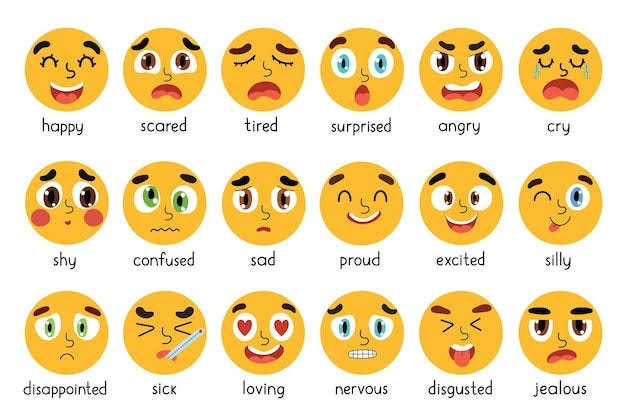
“Common Emotions That Can Be Part Of Your Messaging Tools …” from medium.com
Common Types of Emotional Triggers
Now that we understand why emotional triggers are important, let’s dive into some common types of emotional triggers and how you can use them in your social media ads.
Empowerment
Empowerment is a powerful emotional trigger that can inspire and motivate your audience. Ads that make people feel strong, capable, and confident can create a deep emotional connection.
For example, Nike’s “Just Do It” campaign is a classic example of using empowerment as an emotional trigger. The campaign encourages people to push their limits and achieve their goals, creating a sense of empowerment and motivation.
Happiness
Happiness is a universal emotion that everyone can relate to. Ads that evoke happiness can create a positive association with your brand and make people more likely to engage and share.
For instance, Coca-Cola’s “Share a Coke” campaign used personalized bottles to create moments of happiness and connection, encouraging people to share their Coke with friends and family. This is a great example of using emotional triggers in marketing.
Nostalgia
Nostalgia is a powerful emotional trigger that can take people back to a simpler, happier time. Ads that evoke nostalgia can create a strong emotional connection and make people feel warm and fuzzy inside.
“Nostalgia is like a grammar lesson: you find the present tense, but the past perfect!” – Owens Lee Pomeroy
An example of this is the “Throwback Thursday” posts that many brands use to evoke nostalgia and connect with their audience on a deeper level.
Comfort
Comfort is another emotional trigger that can make your audience feel safe and at ease. Ads that evoke feelings of comfort can create a sense of trust and reliability, making people more likely to engage with your brand.
For example, ads that show cozy home settings, warm family gatherings, or comforting products can evoke feelings of comfort and security. This can be especially effective for brands in the home goods, food, and wellness industries.

“Interviewing Your Target Audience Helps You Identify Emotional Triggers That Strengthen Your Ability To Sell In Your Ads…” from www.pond5.com
How to Implement Emotional Triggers in Your Ads
Now that we’ve covered the different types of emotional triggers, let’s talk about how to implement them in your social media ads. The key is to understand your audience and craft messages that resonate with them on an emotional level. For more insights, check out these effective emotional triggers in marketing.
“By understanding your audience, crafting authentic and emotionally resonant messages, and measuring the impact of your ads, you can effectively leverage emotional triggers to boost your social media marketing efforts.”
Identify Your Brand’s Core Emotional Appeal
The first step in implementing emotional triggers is to identify your brand’s core emotional appeal. Ask yourself what emotions your brand evokes or aims to evoke in your audience. This understanding should guide your choice of emotional triggers.
For example, if your brand is about fitness and health, empowerment and excitement might be your core emotional appeals. If your brand is about home goods, comfort and nostalgia might be more appropriate. Learn more about the advantage of emotional vs. logical selling strategies.
Crafting Resonant Messages
Once you’ve identified your core emotional appeal, it’s time to craft messages that resonate with your audience. This involves using language, visuals, and storytelling techniques that evoke the desired emotions.
For example, if you’re using empowerment as an emotional trigger, your messages might include motivational quotes, powerful imagery, and stories of personal triumph. If you’re using nostalgia, your messages might include references to the past, retro visuals, and stories that evoke fond memories.
Using Visuals, Language, and Storytelling
Visuals, language, and storytelling are powerful tools for evoking emotions. Use visuals that align with your emotional triggers, such as happy faces, warm colors, and nostalgic imagery. Use language that evokes the desired emotions, such as positive words, motivational phrases, and comforting language.
Storytelling is also a powerful way to evoke emotions. Share stories that resonate with your audience and evoke the desired emotions. For example, share stories of personal triumph, happy moments, or fond memories.
Case Studies of Successful Campaigns
To illustrate the power of emotional triggers, let’s look at some case studies of successful campaigns that effectively used emotional triggers to boost engagement and conversions.
Nike’s “Just Do It”
Nike’s “Just Do It” campaign is a classic example of using empowerment as an emotional trigger. The campaign encourages people to push their limits and achieve their goals, creating a sense of empowerment and motivation. Learn more about the most effective emotional triggers in marketing.
“Nike’s ‘Just Do It’ campaign is a masterclass in using emotional triggers. By tapping into the emotion of empowerment, Nike has created a powerful and enduring brand message.”

“Nike’s ‘Just Do It’ Ads Encourage Athletes To Stretch Beyond Their Limits …” from dubtastic.com
Coca-Cola’s “Share a Coke”
Coca-Cola’s “Share a Coke” campaign used personalized bottles to create moments of happiness and connection. The campaign encouraged people to share their Coke with friends and family, evoking feelings of happiness and nostalgia.
“Coca-Cola’s ‘Share a Coke’ campaign is a brilliant example of using happiness and nostalgia as emotional triggers. The personalized bottles created a sense of connection and joy, making the campaign a huge success.”

“Coke’s “Share a Coke” Campaign Strengthens Friendship Relationships …” from incitrio.com
Apple’s “Think Different”
Apple’s “Think Different” campaign used the emotional trigger of inspiration to create a powerful brand message. The campaign celebrated creativity and innovation, inspiring people to think differently and embrace their unique talents.
“Apple’s ‘Think Different’ campaign is a powerful example of using inspiration as an emotional trigger. By celebrating creativity and innovation, Apple created a brand message that resonated deeply with its audience.”

“Apple’s ‘Think Different’ Campaign Inspired People To Feel Connected To Famous People …” from timcalkins.com
Tips for Optimizing Emotional Triggers
To get the most out of emotional triggers, it’s important to optimize your approach. Here are some tips to help you do just that:
Know Your Audience
Understanding your audience is crucial for using emotional triggers effectively. Conduct research to understand your audience’s needs, desires, and emotional triggers. Use this information to craft messages that resonate with them on an emotional level.
For example, if your audience is primarily young adults, you might use excitement and empowerment as emotional triggers. If your audience is primarily parents, you might use comfort and nostalgia.

“Tracking Performance Helps You Understand Which Tools Are The Most Valuable …” from www.freepik.com
Tools to Measure the Impact of Emotional Triggers
To truly understand the effectiveness of emotional triggers in your social media ads, it’s essential to measure their impact. This involves tracking key performance indicators (KPIs) and using specific tools designed for this purpose. Here are some of the best tools to help you measure the impact of emotional triggers in your social media ads:
Social Media Analytics
Most social media platforms offer built-in analytics tools that can provide valuable insights into the performance of your ads. These tools can help you track engagement metrics such as likes, shares, comments, and click-through rates.
For example, Facebook Insights and Twitter Analytics offer detailed data on how your audience is interacting with your ads. By analyzing this data, you can determine which emotional triggers are resonating most with your audience.
Use these insights to refine your ad strategy and focus on the emotional triggers that drive the most engagement.
“By leveraging social media analytics, you can gain a deeper understanding of how your audience is responding to your ads and make data-driven decisions to optimize your campaigns.”
Google Analytics
Google Analytics is another powerful tool that can help you measure the impact of emotional triggers in your social media ads. By tracking website traffic and user behavior, you can gain insights into how your ads are driving conversions and other key metrics.
“Google Analytics allows you to track the performance of your social media ads in real-time, providing valuable data on user behavior and conversion rates.”
Use Google Analytics to set up goals and track the performance of your ads. This will help you understand which emotional triggers are driving the most conversions and optimize your ad strategy accordingly.
Emotion Recognition Software
Emotion recognition software uses artificial intelligence to analyze facial expressions, voice tones, and other cues to determine the emotions of your audience. This can provide valuable insights into how your ads are impacting your audience on an emotional level. Learn more about the neuro-marketing advantage of emotional vs. logical selling strategies.
Tools like Affectiva and Realeyes can help you measure the emotional impact of your ads and make data-driven decisions to optimize your campaigns.
Surveys and Feedback Forms
Surveys and feedback forms are another effective way to measure the impact of emotional triggers in your social media ads. By asking your audience directly about their emotional responses to your ads, you can gain valuable insights into what is working and what is not.
Use tools like SurveyMonkey and Google Forms to create surveys and feedback forms. Ask questions about how your audience felt when they saw your ads and use this feedback to refine your ad strategy.
Frequently Asked Questions (FAQ)
To further help you understand the use of emotional triggers in social media ads, here are some frequently asked questions:
What are emotional triggers in advertising?
Emotional triggers in advertising are specific elements designed to evoke an emotional response from the audience. These triggers can include visuals, language, music, and storytelling techniques that tap into emotions such as happiness, fear, excitement, and nostalgia.
By leveraging emotional triggers, brands can create more engaging and memorable ads that resonate with their audience on a deeper level.
Why are emotional triggers effective?
Emotional triggers are effective because they create a strong connection between the brand and the audience. Emotions drive decision-making, and when an ad evokes a positive emotional response, it can lead to increased engagement, shares, and conversions. Learn more about the advantage of emotional vs. logical selling strategies.
Moreover, ads that evoke strong emotions are more likely to be remembered and shared, increasing their reach and impact. Learn more about the most effective emotional triggers in marketing.
How can I implement emotional triggers in my ads?
To implement emotional triggers in your ads, start by identifying your brand’s core emotional appeal. Ask yourself what emotions your brand evokes or aims to evoke in your audience. Use this understanding to craft messages that resonate with your audience on an emotional level.
Use visuals, language, and storytelling techniques that evoke the desired emotions. For example, use happy faces, warm colors, and nostalgic imagery to evoke happiness and nostalgia. Share stories that resonate with your audience and evoke the desired emotions.
How can I measure the impact of emotional triggers?
To measure the impact of emotional triggers, use tools like social media analytics, Google Analytics, emotion recognition software, and surveys and feedback forms. Track key performance indicators such as engagement metrics, conversion rates, and emotional responses to determine the effectiveness of your ads.









Leave a Reply